Here’s the thing: social media channels are no longer just distribution pipelines for branded content. They’ve become search engines in their own right. People don’t always “Google it” first; many now open TikTok, Instagram, YouTube, or LinkedIn and type their question, query, or desire directly into those platforms.
That shift changes everything for brands. If your post can’t rank inside the platform itself, you’re invisible no matter how good your content is. That’s why “social search optimization” (or social SEO) has to be part of your broader content strategy in 2025.
In this post, we’ll break down what social search really means, how it differs from web search, why brands need to treat their social content like web content for ranking, and practical strategies you can deploy now.
What Is Social Search And How It Differs from Web Search
Defining social search
Social search refers to the user behavior of querying content within a social media or content platform (e.g. YouTube, Instagram, TikTok, LinkedIn) rather than going to a traditional web search engine first. The platform then surfaces relevant posts, videos, or profiles based on algorithms that interpret keywords, metadata, engagement, content relevance, and more.
Key differences from traditional web search
| Feature | Web Search (Google, Bing) | Social Search (TikTok, Instagram, etc.) |
| Source pool | Entire indexed web (blogs, content, e-commerce) | Only content within the platform (user posts, videos, profiles) |
| Ranking signals | Backlinks, domain authority, technical SEO, content quality, E-A-T, etc. | Engagement signals (likes, shares, saves), keywords in captions, hashtags, completion rate, content relevance, profile authority |
| Search intent types | Broad queries, Q&A, long-form content, reference, informational, transactional | Mostly short queries, how-to, product discovery, trend, recommendation |
| Feedback loop | SEO edits, backlinks, crawl frequency, site updates | Iterative posting, content refresh, responding to comments, hashtag optimization |
Why social platforms now act like search engines
- Built-in user behavior: Many users begin their content or product social discovery journey inside social platforms (not Google).
- Improved search infrastructure: Platforms like TikTok and Instagram have enhanced their internal search and indexing systems to push relevant content.
- Content formats align with queries: Short video how-tos, product demos, or caption snippets map well to micro-queries (e.g. “how to cook paneer,” “best running shoes 2025”).
- Monetization incentives: Platforms want users to stay inside their ecosystem; improving search keeps people from leaving to Google.
So when someone searches for “best office chair” in TikTok, the platform may show a carousel of short demos, reviews, or buyer tests content you want your brand to be a part of.
The Shift from Web-First to Social-First Search
User behavior trends
- In 2024, Adobe reported that 41% of Americans said they’ve used TikTok as a search engine.
- Among Gen Z, 64% say they’ve used TikTok for search.
- Nearly 1 in 10 Gen Zers say they prefer TikTok over Google for searches.
- On TikTok’s desktop interface, search activity rose: in May 2024, 15.4% of users engaged with search (vs. 11% in May 2023).
- SparkToro reported that Google Search grew by 20% in 2024, but also that some segments are showing a decline in reliance on Google as a first stop.
- DMEXCO’s analysis of 2025 search trends sees social search, AI-powered discovery, and community content competing with Google’s dominance.
These signals show that social search is not a fringe phenomenon, it’s becoming a parallel channel for discovery, especially for verticals like consumer products, reviews, how-to, local queries, and trends.
Platform examples & algorithm changes
TikTok SEO / TikTok Search
- The “TikTok SEO” concept has gained traction: optimizing captions for discoverability, keywords, hashtags, and engagement to improve discoverability.
- Vertical Leap’s guide emphasizes that engagement is central, you have to optimize everything (post, timing, format) for higher visibility within TikTok.
- Printify notes that optimizing content for in-app search can even influence how the content surfaces in Google search later.
Instagram & Reels / Meta search
Instagram has expanded its search functionality, making reels, posts, and hashtags more discoverable via internal search queries. Changing algorithm weights may favor searchable content (e.g. keyword-rich captions, topical tags). (Industry commentary from social + SEO intersection)
YouTube Search / Shorts
YouTube has always been a hybrid: users expect to search within YouTube itself. As Shorts grows, YouTube is bringing Shorts into search queries and surfacing them in standard results. The optimization tradition (title, tags, description, watch retention) remains valid but now competes fiercely with ultra-short clips. (See general SEO trends and social–SEO convergence)
LinkedIn
LinkedIn’s content visibility is partially driven by keywords in profiles, article titles, hashtags, and engagement. People now search LinkedIn for topics (e.g. “remote hiring trends,” “B2B SaaS growth”), and content creators who optimize for that can be surfaced in the feed or “Articles” search.
Why Your Posts Need to Rank Like Web Content
If your social post doesn’t get discovered, it doesn’t matter how polished or valuable it is. Ranking within the platform unlocks discovery, reach, and engagement which lead to conversions.

Here’s what this shift means for brands:
On-platform SEO matters now
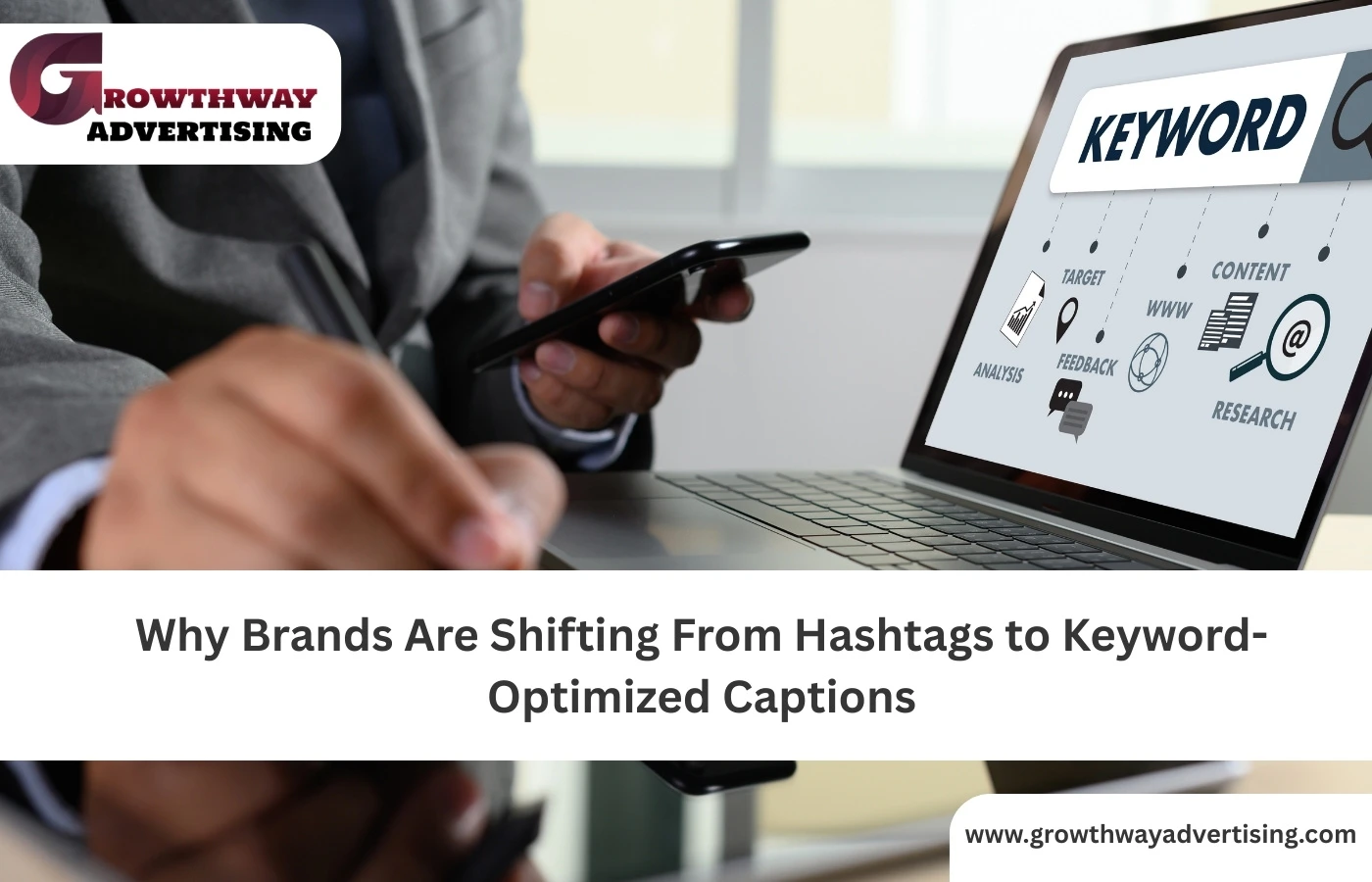
- Captions & keyword placement: Including relevant keywords early in captions or text overlays helps platforms parse your content intent.
- Metadata & tags: Hashtags, topic tags, location tags carry weight. Some platforms parse them as signals for discovery.
- Thumbnails, titles, headlines: These influence click-through and retention, which then feedback into ranking.
- Engagement signals: Likes, saves, replays, watch time, comment volume, these amplify reach.
- Profile authority: Active creators who consistently publish and engage gain more weight in ranking.
Format & structure best practices
- Strong hook early: In the first 2–3 seconds (video) or first line (caption), signal what the post is about (important for Auto-play/scroll).
- Keyword layering: Main keyword + secondary keywords naturally integrated in caption, overlay text, alt text.
- Multiple formats: Use carousels, video snippets, short clips, repurposed content to hit different query types
- Intent alignment: Understand the kinds of queries users make (how-to, product review, comparison) and tailor content format accordingly.
- Temporal refresh: Repost or update content to stay relevant, especially for evergreen queries.
- Cross-linking & companion content: Use short posts to point to longer content (blog, video), thereby leveraging both web and platform reach.
Strategies to Optimize for Social Search

1. Social-centric keyword research
- Use platform-specific tools (TikTok’s Discover page, Instagram’s search suggestions, YouTube autocomplete) to see real user queries.
- Tools like SparkToro, AnswerThePublic, and social listening tools can pull query trends inside social platforms.
- Track trending social search trends in your niche on a weekly basis.
- Match your content topics to those queries (both evergreen + trending).
2. Post structure & layering content
- Lead with your target keyword (in caption, overlay, first seconds).
- Use multiple text overlays or subtitles to reinforce your topic.
- Integrate secondary keywords or LSI terms subtly.
- Use hashtags strategically, not dozens of generic ones, but a mix of broad + niche tags.
- Mirror how users phrase questions: e.g. “how to replace screen on iPhone 14” vs “iPhone14 screen replacement.”
3. Consistency & iteration
- A predictable publishing schedule sends positive signals.
- Monitor which posts rank (gain impressions via search), then replicate structure.
- Update older posts (refresh captions, retag, repost) to stay relevant.
4. Cross-channel reinforcement
- Publish a long-form blog or video on your website and repurpose key snippets on social media.
- Use web SEO research to feed social keyword ideas (but validate on-platform).
- Encourage internal linkages: link from social to web, web to social reinforcing social media marketing services authority.
5. Community & conversation engagement
- Prompt comments, questions replies boost ranking signals.
- Respond quickly to comments to increase engagement.
- Use duets, remixes, or replies to trending posts riding existing search visibility.
6. Test and monitor
- A/B test different hooks, keywords, lengths.
- Use platform analytics (or third-party tools) to isolate “search impressions” (i.e. how many are discovered via internal search).
- Track how content lifespan (how many days/weeks it continues getting impressions) differs by topic.
Measuring Success
You need metrics that reflect discovery, not just engagement. Here’s your toolkit:
- Search impressions / reach: How many times your content appeared in internal search results.
- CTR from search → profile or link click: Shows how well you convert visibility to action.
- Engagement rate (from discovery): Likes, comments, saves specifically from users who discovered via search, not just followers.
- Retention / watch time: Especially for video, if users drop off quickly, the algorithm may suppress it.
- Discovery lifespan: How many days/weeks your post continues to attract impressions.
- Virality multiplier: If a search-driven post gets enough engagement, it may spread further in feeds, creating a halo effect.
Understanding which posts continue to surface weeks later vs. cap out quickly helps you refine topics and structure.
Conclusion
If you’re still treating social content as “boosted web content,” you’re behind. Social platforms are no longer distribution channels, they’re discovery engines full stop. In 2025, your posts must rank in-platform, not just look good.
What this really means is: your social content must be built with SEO discipline, keyword research, structure, engagement loops, refresh cycles, just like your web content. But you also need to respect platform behaviors, format constraints, and evolving algorithmic signals.
So here’s your call to action: audit your top-performing posts for searchability, build a content calendar with query-driven topics, and treat social like the search channel it’s become. Brands that get this early will dominate discoverability; those that lag will be invisible.
FAQ’s
1. How does social search differ from Google search?
Unlike Google, which indexes the web, social search indexes content within a platform. Ranking factors focus on engagement, hashtags, keywords, and user interactions rather than backlinks or domain authority.
2. Why is social search important for brands?
Ranking in social search increases visibility, engagement, and conversions. Users are increasingly discovering products, services, and content directly on platforms rather than via Google.
3. Which platforms are most relevant for social search optimization?
TikTok, Instagram (especially Reels), YouTube (Shorts and long-form), and LinkedIn are the top platforms where optimizing for social SEO strategy can drive measurable results.
4. Can social search affect my website traffic?
Yes. Posts that rank high in social search marketing can drive traffic to your website or e-commerce store, bridging the social discovery journey and conversion funnel.
5. How do I optimize my posts for ranking like web content?
Use relevant keywords in captions, titles, and hashtags, format content to match user intent, ensure engaging hooks, and refresh content periodically to maintain relevance.